Need an interpreter? Call TIS National on 131 450
About us

Families who became experts. The peak Australian voice for SCN2A and DEE.

Founded by Kris Pierce after her son Will's 14-year diagnostic odyssey. Now leading advocacy across the broader DEE community, with SCN2A expertise as the foundation.

FAMILY-LED · CLINICIAN-ADVISEDREGISTERED CHARITY · ACNCAUDITED ANNUALLY
Our story

Where it all started.


SCN2A Australia began the way so many rare-disease communities do, a handful of families, each feeling alone, who found each other.

Our children were diagnosed with SCN2A-related disorders. In the early days, there was little information, few specialists with real experience, and almost no one who truly understood what our families were living with. So we reached out, connected, and started sharing what we were learning.

What began as informal conversations between parents grew into something more structured. We pooled our knowledge, researched the science, built relationships with international experts, and learned to navigate systems that weren't designed with rare-disease families in mind.

As our community grew, families began turning to us, not just SCN2A families, but those navigating other DEEs and many other rare genetic causes of DEE. The knowledge and networks we had built proved deeply relevant to the broader DEE community.

That foundation of lived experience is still at the heart of everything we do.

Our journey

A decade of momentum.


From the first families connecting, to a research-enabled ecosystem supporting registries, clinical trials, and precision therapies. Working locally, connecting globally.

  1. Pre-2017
    Foundations

    A disorder comes into focus

    SCN2A is recognised internationally as a distinct disorder, and the first Australian families begin to find each other.

    • SCN2A increasingly recognised internationally as a distinct neurodevelopmental and epilepsy disorder, spanning gain- and loss-of-function presentations.
    • Australian families begin connecting with international SCN2A communities and researchers.
    • Expanding access to genomic sequencing drives a rise in confirmed Australian diagnoses.
  2. 2017
    Community

    Genetic Epilepsy Team Australia (GETA) founded

    Defining milestone

    The first Australian community infrastructure SCN2A families could turn to, parent-led, and built to last.

    • First Family Conference on Rare Genetic Epilepsy held in Melbourne, 27 May 2017.
    • Auspiced through the Epilepsy Foundation; convenes an annual conference of families, clinicians and researchers.
    • Supports Australian research including stem-cell studies, mouse models and biotechnology. GETA turns 10 in 2027.
  3. 2017
    through 2019
    Research

    The Florey SCN2A research program

    Defining milestone

    At the Florey Institute, Steven Petrou’s Ion Channels and Human Diseases Group builds the Australian centrepiece of SCN2A translational research.

    • Functional testing platforms for SCN2A variants; gain- versus loss-of-function classification.
    • SCN2A knock-in mouse models and early antisense oligonucleotide (ASO) therapeutic programs.
    • Natural-history and phenotype-correlation studies, the engine of Australia’s contribution to SCN2A precision medicine.
  4. 2019
    Community

    SCN2A Australia founded, and building momentum

    Defining milestone

    Launched on Australia Day 2019 with a mission to “Work Locally, Connect Globally”, the organisation moves fast to link families to research.

    • 26 January 2019, Organisation founded on Australia Day.
    • Jan–Feb 2019, First research partnership established with the Florey team led by Prof. Steven Petrou.
    • February 2019, Began promoting the SCN2A International Natural History Study, connecting Australian families to the global effort.
    • November 2019, SCN2A Insights podcast launched (Kris Pierce and David Cunnington), plus the first webinar, “Developing Treatment for SCN2A”.
  5. 2020
    through 2021
    Community

    Community, advocacy and research infrastructure

    SCN2A Australia builds the scaffolding of a national community, campaigns, conferences and a research registry.

    • 2020, Joined a growing international network of SCN2A organisations across Australia, Argentina, the UK, the US and beyond.
    • February 2021, First SCN2A Awareness Day campaign, partnering with Oxford PharmaGenesis to share family stories.
    • May 2021, Inaugural SCN2A Australia Conference.
    • July 2021, Research pages and a research registry launched, expanding community engagement.
  6. 2021
    Research

    Preclinical proof of concept

    Defining milestone

    Florey researchers establish the scientific case for taking SCN2A ASO therapy toward the clinic.

    • Melody Li, with Steven Petrou, published landmark preclinical work in the Journal of Clinical Investigation (2021).
    • An antisense oligonucleotide targeting Scn2a reduced seizures and extended lifespan in a gain-of-function SCN2A epilepsy mouse model.
  7. 2023
    through 2025
    Treatment

    Clinical translation begins

    Defining milestone

    Elsunersen becomes the first SCN2A-targeted ASO to reach patients, with direct Australian scientific involvement.

    • Elsunersen (formerly PRAX-222, Praxis Precision Medicines) selectively reduces SCN2A expression to address gain-of-function SCN2A-DEE.
    • Holds FDA Orphan Drug and Rare Pediatric Disease designations, and EMA Orphan Drug designation.
    • 2025, Florey researchers (Steven Petrou, Géza Berecki) co-author a Nature Medicine report on Elsunersen in a preterm infant: intrathecal ASO dosing was associated with cessation of status epilepticus and a sustained reduction of more than 60% in seizure frequency.
  8. 2024
    Community

    Strategy and international recognition

    SCN2A Australia sets its formal direction as SCN2A is woven into global genomic-medicine pathways.

    • October 2024, First formal Strategic Plan published, setting out vision, mission and goals.
    • Internationally, SCN2A is increasingly incorporated within rare-disease and genomic-medicine pathways, including NHS England.
  9. 2025
    Community

    Treatment-readiness resources and an accelerated pathway

    New family resources land just as the regulatory pathway for the first SCN2A therapy accelerates.

    • January 2025, Online shop launched as a community resource and fundraising channel.
    • February 2025, Clinical Trials Information Hub created to help families understand treatment development, regulations and eligibility.
    • December 2025, Praxis announced FDA alignment on a simplified, accelerated registrational pathway for Elsunersen, converting EMBRAVE3 to a single-arm design so every enrolled child receives active treatment. Topline results expected 2026; potential NDA in 2027.
  10. 2026
    Funding & policy

    Funding research and shaping policy

    SCN2A Australia funds its first research project and brings its lived-experience authority to the national DEE conversation.

    • February 2026, Funded its first research project: a PhD studentship at the Florey Institute, under the supervision of Assoc Prof Maljevic.
    • April 2026, Joined a global convening with the International Bureau of Epilepsy (IBE), bringing rare-epilepsy experts together to prioritise what we can achieve together.
    • May 2026, Led a developmental and epileptic encephalopathy (DEE) multi-stakeholder roundtable, bringing the sector together to build a cohesive plan forward.
    • May 2026, Lodged a formal submission to the Australian Senate inquiry into Epilepsy, advocating for a dedicated DEE policy framework.
Looking ahead
2026–30

2026–2027

  • EMBRAVE3 topline results; further ASO clinical data.
  • Biomarker-validation studies and expanded natural-history datasets.
  • Outcomes from the Senate epilepsy inquiry and progress toward a dedicated DEE policy framework.

2027–2028

  • Possible first efficacy signals translating to regulatory decisions; potential first SCN2A-specific regulatory submission.
  • GETA’s 10-year milestone (2027); deeper integration of patient-generated data into trials.

2028–2030

  • Possible approval pathway for a first SCN2A-specific therapy.
  • Expansion of newborn genomic-screening discussions.
  • Integration of gene and precision therapies into clinical practice if efficacy and safety are demonstrated.
Board of Directors

Family-led leadership. All voluntary.

Our Board provides strategic leadership, ensures financial accountability, and upholds the mission of SCN2A Australia. All board members serve voluntarily.

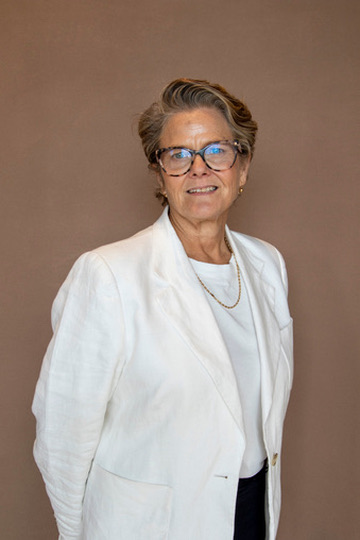
Kris Pierce
Kris Pierce
Founder & Director
Mother of Will

After a 14-year diagnostic odyssey, Kris's son Will was diagnosed with SCN2A. A Consumer & Patient Engagement Specialist, she has built SCN2A Australia into a nationally recognised advocacy organisation. Appointments include the MSAC Evaluation Sub-Committee, the HTA Consumer Consultative Committee (Deputy Chair), and the Genomics Australia Advisory Council. Victorian Women's Honour Roll 2022 inductee.
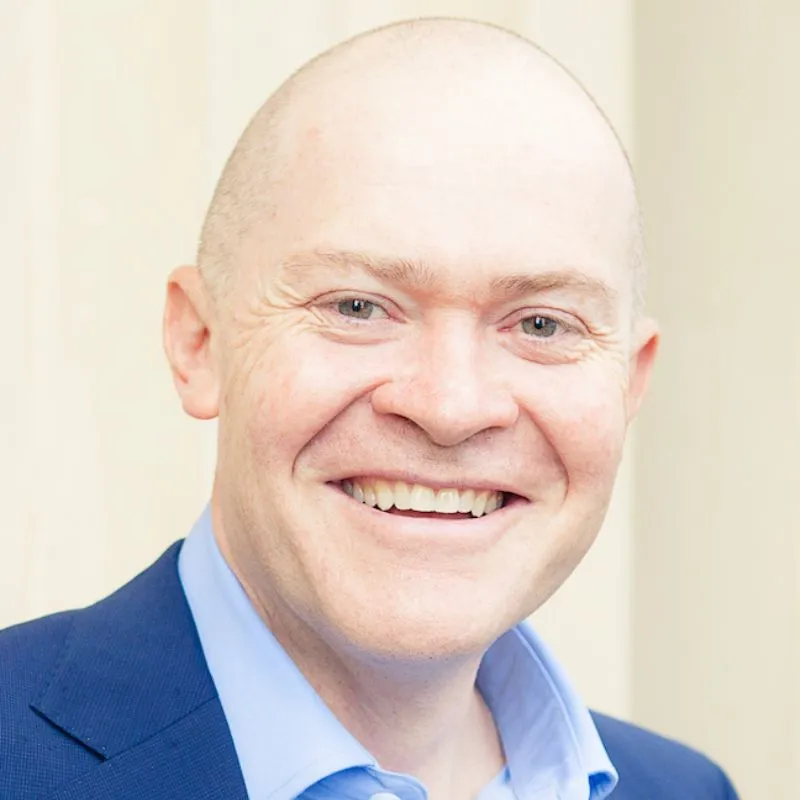
Dr David Cunnington
Dr David Cunnington
Treasurer
Father of Will

Parent of Will, a young adult with a gain-of-function SCN2A mutation. Experienced sleep physician and co-founder of SleepHub. Holds Master's degrees in healthcare management, clinical epidemiology, and drug development, bringing clinical-trials and healthcare-systems expertise to the Board.

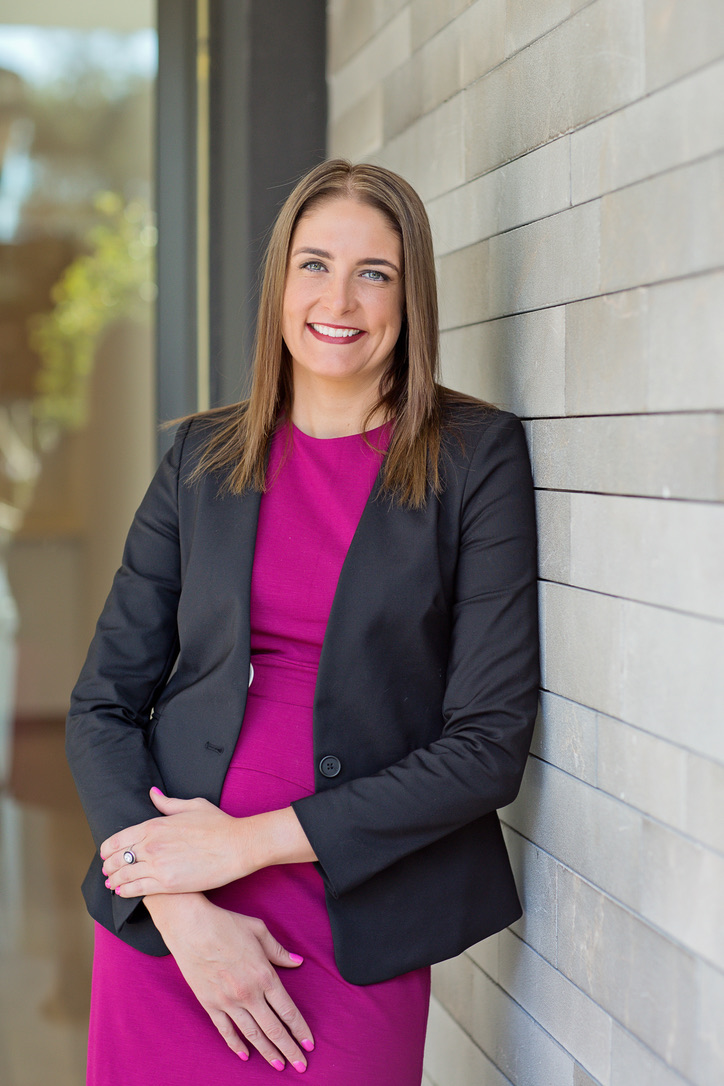
Ursula Delaney
Ursula Delaney
Secretary
Mother of Eva

Director of a property management company with a career in residential investment portfolio management. Joined the Board after her daughter Eva was diagnosed with SCN2A encephalopathy, bringing operational rigour and the perspective of a parent navigating the Australian health and disability system.

Scientific & Medical Advisory Board

Leading clinicians and researchers in SCN2A, genetic epilepsy, and DEE.

IS
Professor Ingrid Scheffer AO
University of Melbourne · Florey Institute

One of the world's foremost authorities on epilepsy genetics. Laureate Professor; NHMRC Practitioner Fellow. Foundational research on Dravet syndrome and SCN1A transformed understanding of genetic epilepsies and directly informs the diagnostic and therapeutic landscape for SCN2A families.

KH
A/Prof Katherine Howell
RCH Melbourne · MCRI

Paediatric neurologist and epileptologist focused on the genetics of childhood epilepsy, including SCN2A-related conditions. Contributor to research on genotype-phenotype correlations in SCN2A.

EP
A/Prof Emma Palmer
UNSW · Sydney Children's Hospital

Clinical geneticist and paediatric neurologist. Co-investigator on multiple SCN2A-related research projects within our network and co-author on the Angel Aid wellbeing evaluation (Orphanet Journal of Rare Diseases, 2025).

JD
A/Prof Jenny Downs
Telethon Kids Institute · Perth

Head of the Development and Disability Research Program. Leader in outcome measures and quality-of-life assessments for children with intellectual disability, directly informing how we approach what matters most to families.

SM
A/Prof Snezana Maljevic
Florey Institute · Epilepsy Division

Research Group Head investigating molecular and cellular mechanisms underlying genetic epilepsies, including DEE. Uses patient-derived iPSC "brain in a dish" models to evaluate potential therapeutic interventions.

AS
Amy Schneider
University of Melbourne · Austin Health

Head of the Genetic Epilepsy Natural History and DEE Research Program. Master of Genetic Counselling. Works at the intersection of deep phenotyping, genetic diagnosis, and direct family engagement.

Our values

What guides us

  • Family expertise
    Families are experts in their lived experience. We position that expertise alongside research evidence, not beneath it.
  • Connection over competition
    We work collaboratively, with other organisations, researchers, and government, because these challenges are too large for any group alone.
  • Evidence-informed advocacy
    Grounded in both research evidence and family experience. We advocate when the evidence supports it and families have told us it matters.
  • Sustained commitment
    Real change in rare disease takes years. We are committed for the long term, for the families who will receive these diagnoses in years to come.
Governance

Accountable, audited, public.

SCN2A Australia is a registered charity (ACNC). Our board is chaired by a parent of a child with SCN2A and includes clinician, researcher, and consumer representation. We are governed by a publicly available constitution and audited annually.

Annual Report / Impact Report
Coming soon.
Get in touch

Want to know more, work with us, or just have a question?

We respond to family enquiries within five working days. Media enquiries within one.